
Facial Nerve Repair: Practical Use of Nerve Connectors, Protectors, and Allografts
Presenters
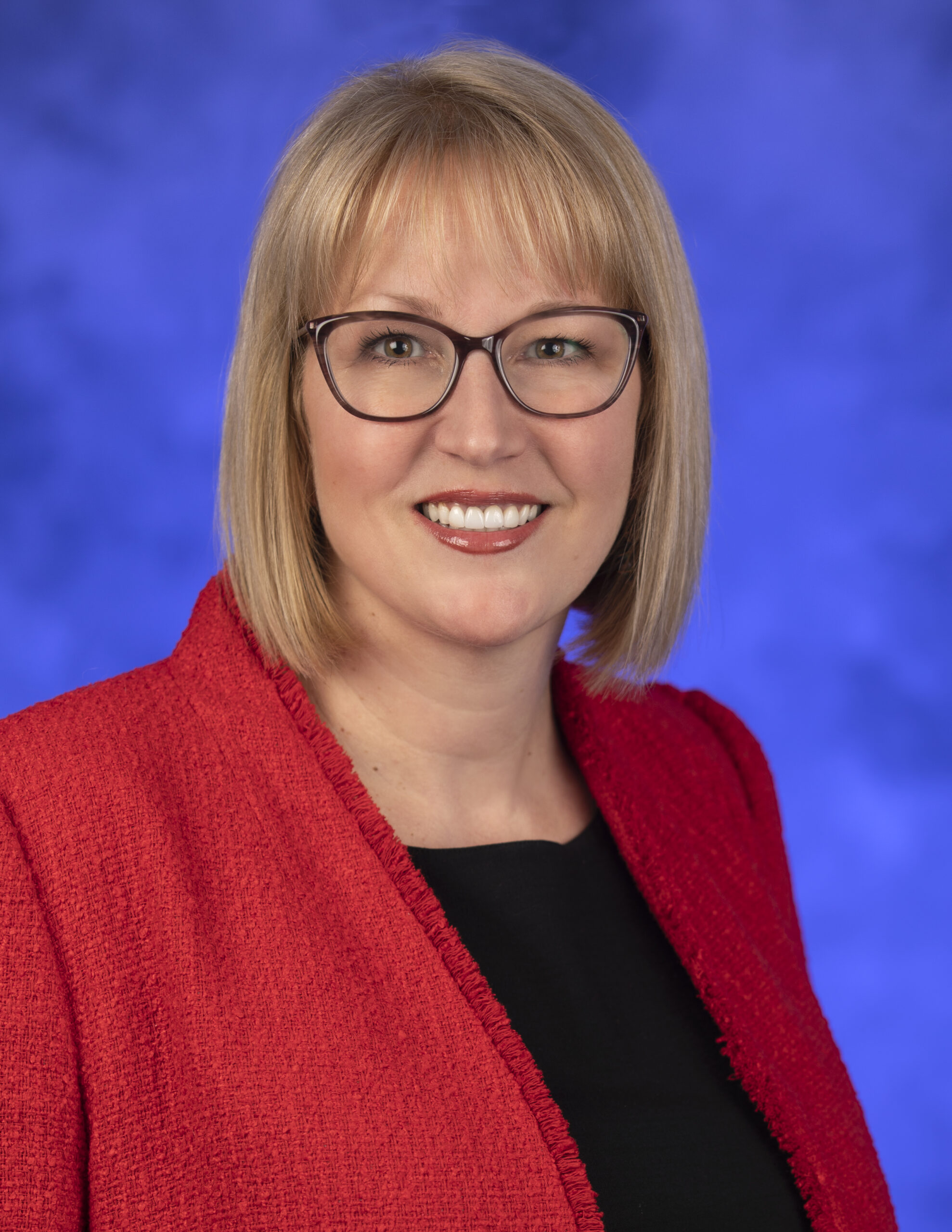
Dr. Jessyka G. Lighthall, MD, FACS
Division Chief of Facial Plastic and Reconstructive Surgery, Professor
Department of Otolaryngology-Head Neck Surgery, Penn State College of Medicine and Penn State Health Milton S. Hershey Medical Center

Dr. Joshua D. Rosenberg, MD
Associate Professor, Chief of Facial Plastic and Reconstructive Surgery, Mount Sinai Health System
Director, Facial Plastic and Reconstructive Surgery Fellowship, Icahn School of Medicine at Mount Sinai
The practice of nerve repair continues to evolve alongside advances in science, surgical technique, and clinical care. Although resources supporting the use of nerve connectors, protectors, and processed allografts in peripheral nerve repair are expanding, literature guiding head and neck reanimation remains limited. Surgeons must optimize outcomes in facial nerve repair while balancing cost, efficiency, and the reduction of comorbidities. Achieving this goal requires a clear understanding of available nerve repair adjuncts and the current landscape of facial nerve reconstruction using allografts.
In this webinar, you will learn:
- The motivation for pursuing connector-assisted repair and the distinction from nerve conduits
- The pros and cons of using processed nerve allografts in facial nerve surgery
- Cost, counseling, and institutional considerations when choosing between connectors and allografts
- Controversies in facial nerve repair using allografts
- Case series results across broad approaches for facial nerve repair and facial reanimation