
Multimedia Content from Sage

Webinar

Emerging Aspiration Technologies in Ureteroscopy: Enhancing Stone Clearance and Safety

Presenters
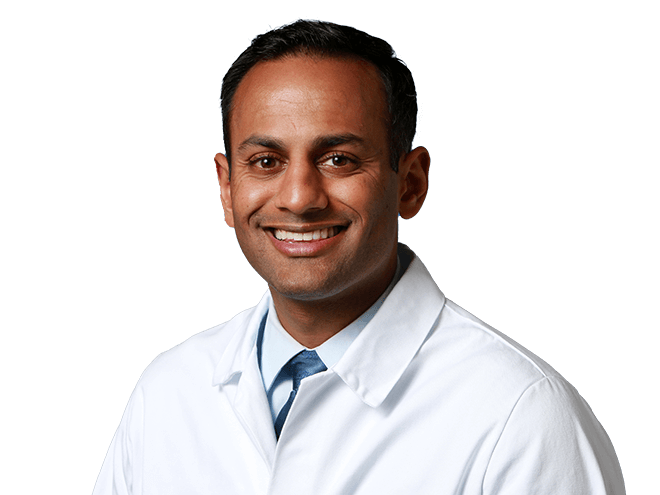
Roshan Patel

Roshan M. Patel, MD

Associate Clinical Professor
Vice Chair of Strategic Operations and Business Development,
Department of Urology
Director, Kidney Stone Center, Chief, Division of Endourology
University of California Irvine
Roshan M. Patel, MD

Roshan Patel, MD is a board-certified urologist and associate professor at the University of California, Irvine (UCI). His clinical interests include all aspects of minimally invasive urology including robotic, laparoscopic, percutaneous, ureteroscopic, and needle ablative surgeries. Patel completed his undergraduate studies at the University of Chicago where he earned a BA in economics and biological sciences. Next, he completed his MS in biotechnology at Johns Hopkins University. Thereafter, he earned his medical degree at the University of Oklahoma Health Sciences Center. Patel went on to complete an internship in general surgery and residency in urology at the Boston University Medical Center. Then he completed a fellowship in endourology under the mentorship of Ralph Clayman, MD and Jamie Landman, MD. Patel’s research interests include outcomes-based studies on minimally invasive surgery for kidney cancer. Additionally, he has a strong focus in evaluating the methodology used in percutaneous surgery for large kidney stones with the goal of improving patient outcomes. Lastly, he actively leads projects in the Curiosity and Innovation Lab in evaluating new technology that may change the way surgery is practiced today. Patel has published 75 research manuscripts, 13 book chapters, and was the co-editor of the Netter Collection for Urology. He joined the department of urology at the University of California, Irvine in 2016, and currently serves as the director of the UCI Kidney Stone Center, chief of the division of endourology and vice chair of strategic operations and business development.

Tzevat Tefik

Tzevat Tefik, MD, FEBU

Professor of Urology
Istanbul Faculty of Medicine
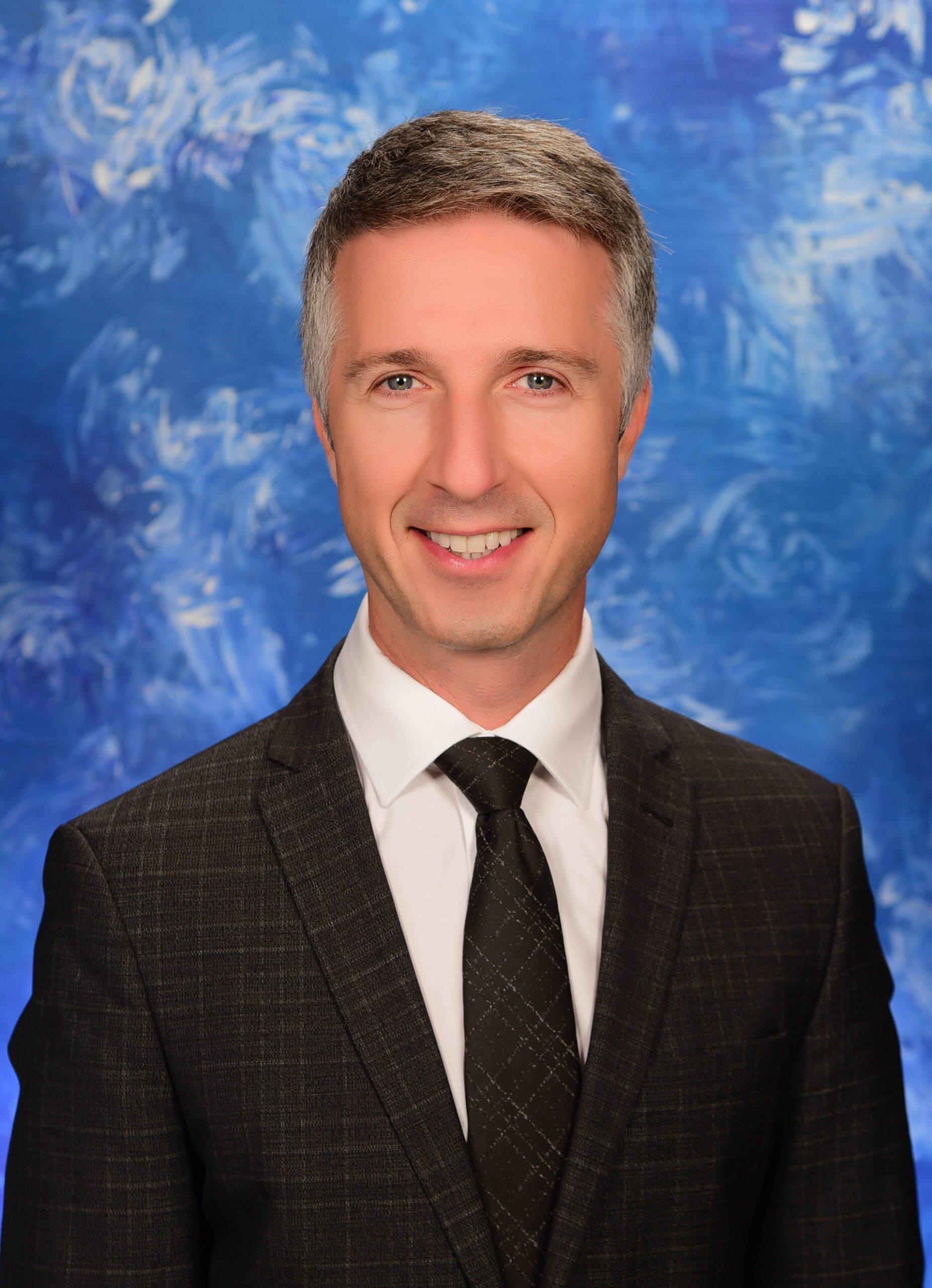
Tzevat Tefik, MD, FEBU

Tzevat Tefik, MD, graduated from Istanbul University, Cerrahpaşa Faculty of Medicine in 2004 and completed his urology residency at Istanbul University, Istanbul Faculty of Medicine in 2011, where he has served as professor of urology since March 2024. In 2015, he trained in flexible ureterorenoscopy at Sorbonne University, Paris, under Olivier Traxer, MD. He is an active member of the American Urological Association (AUA); the European Association of Urology (EAU)—contributing to the Endourology Technology Monitoring Working Group; the Endourological Society (ES), the Asian Urological Society of Endoluminal Surgery and Technology (AUSET), and the International Alliance of Urolithiasis (IAU). He is also part of the FANS International Study Group, contributing actively to literature and collaborative studies. In addition, he is a founding member of the Paris-based Progress in Endourology Training and Research Association (PETRA) and the Istanbul-based Kidney Stone Academy (KSA). Professor Tefik’s academic focus includes robotic endourology and the application of artificial intelligence in urology, with particular expertise in robotically assisted retrograde intrarenal surgery (RIRS) and endourotechnology. Notably, he was the first to establish structured resident training in robotically assisted RIRS worldwide. His work includes clinical practice, research, and mentoring, enhancing patient care through innovation and education.

Margaret A. Knoedler

Margaret A. Knoedler, MD

Assistant Professor
Head of the Section of Endourology,
Department of Urology
University of Wisconsin

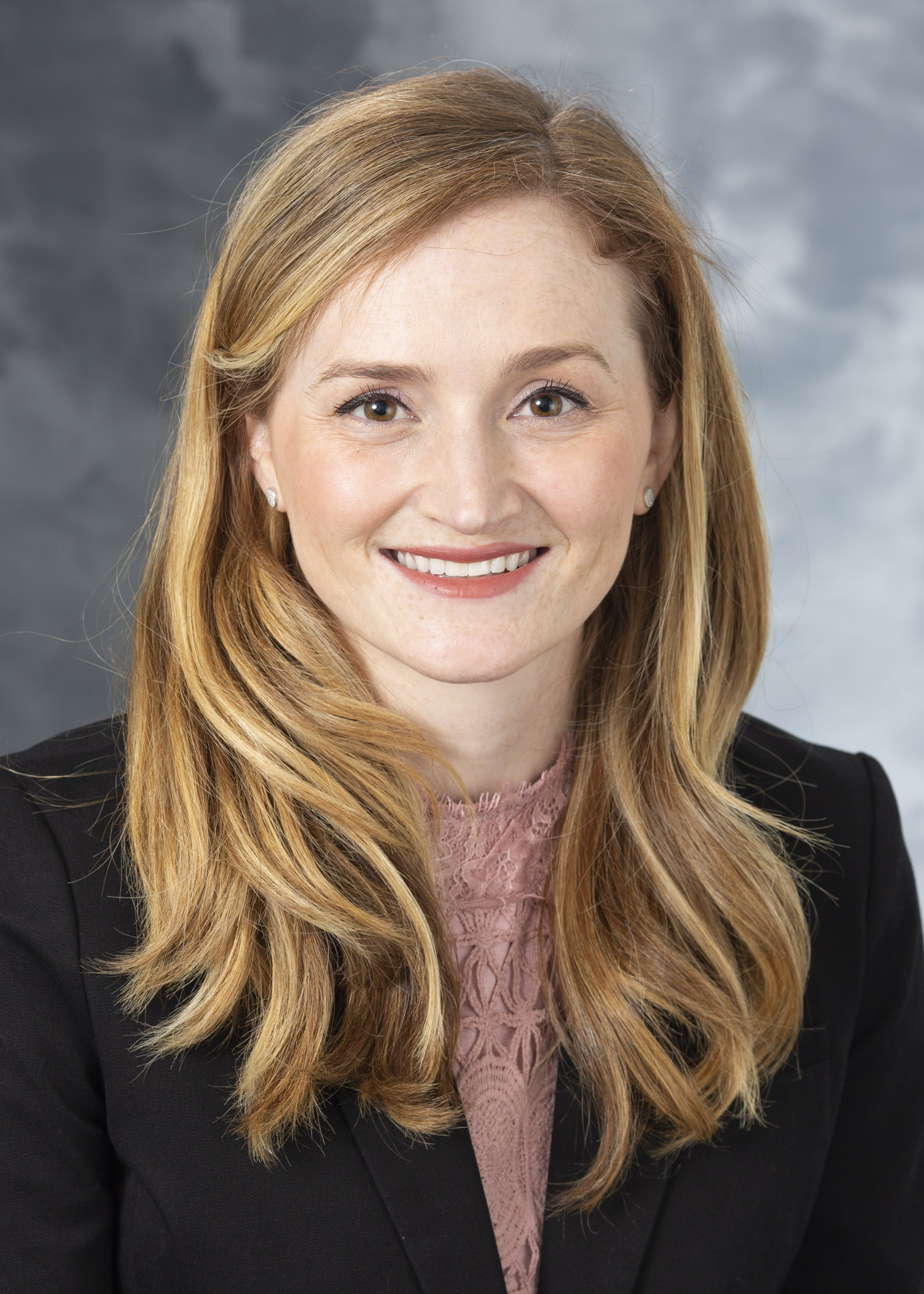
Margaret A. Knoedler, MD

Margaret A. Knoedler, MD, is the head of the section of endourology and the co-director of the Endourology Fellowship at the University of Wisconsin (UW). Knoedler completed her medical degree at Tulane University School of Medicine and went on to complete residency at the University of Wisconsin. She then stayed on at UW for an endourology fellowship under the guidance of Stephen Nakada, MD. Knoedler is an assistant professor at UW and specializes in complex stone disease and benign prostatic hyperplasia (BPH). Surgically, she specializes in robotic-PCNL, mini-PCNL, complex ureteroscopy, and BPH surgery, including laser enucleation of the prostate. Her research focuses on clinical trials in stone disease and BPH, specifically evaluating new technology including the MONARCHTM Platform for Urology, which is a novel robotic platform for mini-PCNL, as well as evaluating high-powered lasers for ureteroscopy in a randomized controlled trial.

Mantu Gupta

Mantu Gupta, MD

Professor of Urology, Icahn School of Medicine at Mount Sinai
Chair of Urology, Mount Sinai West and Mount Sinai Morningside Hospitals
Director, Mount Sinai Kidney Stone Center
Director, Endourology and Stone Disease, Mount Sinai Health System
Mantu Gupta, MD

Mantu Gupta, MD, FRCS, is an academic urologist at the forefront of research and treatment of urinary stone disease, UPJ obstruction, urinary tract obstruction, and upper tract urothelial carcinoma. He has been recognized as one of the leading endoscopic, percutaneous, and minimally invasive surgeons in the world, having performed over 20,000 major endourological procedures. More recently, his research has focused on the etiology of stone disease and the factors driving stone growth. He is a graduate of Northwestern University and completed his urology residency at University of California, San Francisco. He has served on the board of directors of the Society of Endourology since 2019. Among other accomplishments, Gupta was the first to show that intrarenal BCG-IFN can cure upper tract CIS and spare 80% of patients from undergoing nephrectomy and that ureteral catheterization is the best method for delivering upper tract adjuvant therapy in a porcine model. He was also the first to demonstrate in human patients that using an escalating voltage strategy minimizes oxidative damage and improves stone comminution. He is a recognized expert in the percutaneous removal of renal stones, and he was the first to demonstrate the advantages of double parallel ipsilateral stents for malignant urinary tract obstruction. Finally, he is at the forefront of endoscopic and laser technologies for the treatment of stone disease including pioneering the No FUSS Ureteroscopy technique for treating stones without using fluoroscopy, ureteral access sheaths, or stents.

Karen L. Stern

Karen L. Stern, MD

Program Director, Endourology Fellowship Associate Professor of Urology,
Mayo Clinic College of Medicine and Science
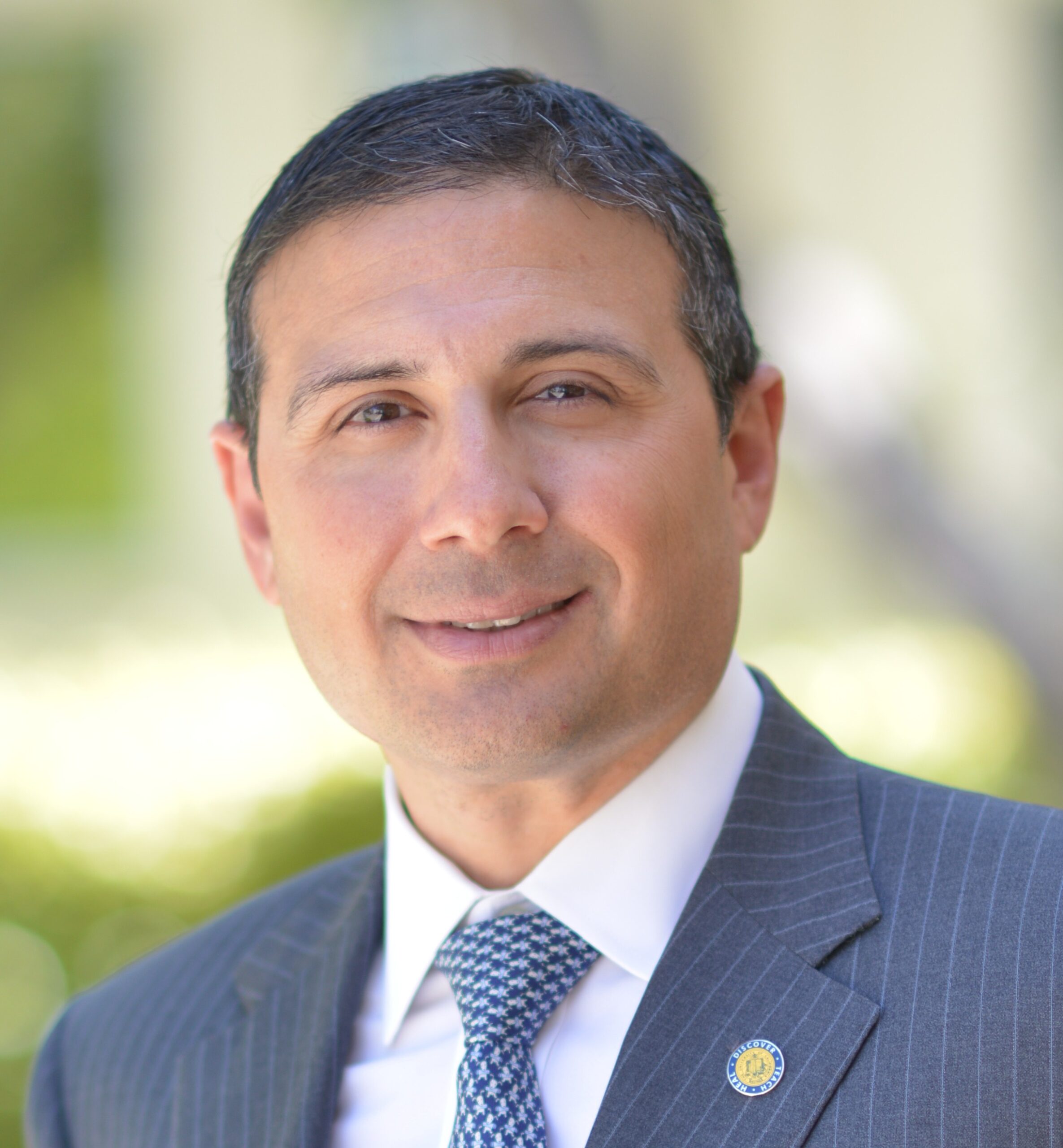
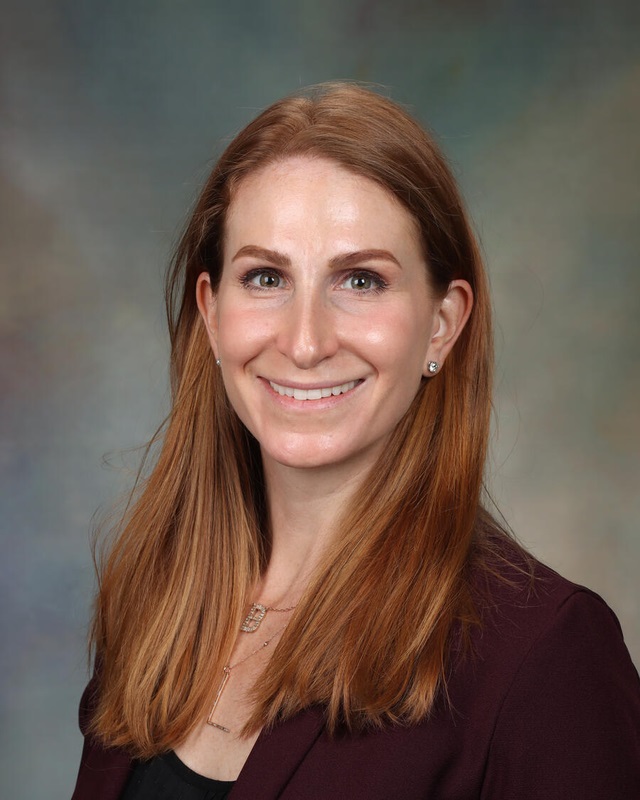
Karen L. Stern, MD

Karen Stern, MD, is an associate professor in the department of urology at Mayo Clinic Arizona in Phoenix, Arizona. She specializes in the medical and surgical management of complex stone diseases. At Mayo Clinic she oversees the Multidisciplinary Stone Clinic, which incorporates urology, nephrology, and dietetics in the management of recurrent stone formers. Her surgical practice includes complex ureteroscopy, mini-percutaneous nephrolithotomy, and ultrasound-guided percutaneous access for PCNL. She is involved in multiple ongoing clinical trials and is part of the Endourology Disease Group for Excellence (EDGE) and Collaborative for Research in Endourology (CoRE) research consortiums. She received her MD from the University of Arizona, where she was elected to Alpha Omega Alpha. She completed urology residency at Mayo Clinic Arizona and was a Mayo Clinic Scholar during her endourology fellowship at the Glickman Urological & Kidney Institute at Cleveland Clinic. She is the program director for the Endourology Fellowship at Mayo Clinic Arizona and takes an active role in medical student, resident, and fellow education. She was awarded the Donald E. Novicki, MD, Award for Excellence in Urologic Education in 2024. She is active within the American Urological Association and serves on the Legislative Affairs Committee and Public Policy Committee.

Jaime Landman

Jaime Landman, MD, FRCS

Professor of Urology and Radiology
Assistant Dean of Development Initiatives
Endowed Chair in Urological Surgical Oncology
Chair, Department of Urology

Jaime Landman, MD, FRCS

Jaime Landman, MD, FRCS, has served as the chair of the department of urology at UC Irvine since December 2010. He is director of the UC Irvine Ablative Oncology Center and a world-renowned expert in minimally invasive kidney surgery. He has developed techniques and technologies that are currently used globally for the management of surgical kidney disease. Landman currently serves as the co-editor of the Journal of Endourology and works routinely with academia and industry to develop and successfully translate novel technologies into clinical practice. Landman has focused on education and mentorship, having mentored 28 Endourological Society Fellows, 17 LIFT (Leadership and Innovation Fellowship Training) scholars, and over 500 summer surgeons. His efforts have resulted in awards including two departmental teaching awards, the UCI system-wide Mentor of the Year award, and the global Endourological Society Ralph V. Clayman Mentorship Award. Landman additionally is the co-editor of the Netter series genitourinary tract anatomy as well as the premier patient-centered book for patients with kidney stones, The Kidney Stone Solution.

Challenges in traditional ureteroscopy, including poor visibility, stone migration, incomplete stone clearance, and elevated intrarenal pressures, have resulted in a paradigm shift in treatment options for a disease that affects nearly 10% of people worldwide. Specifically, numerous devices have now been developed that focus on aspiration, with expected benefits of enhanced stone clearance and safety.

Suction-assisted ureteroscopy exists in numerous forms, including direct in-scope suction, suction ureteral access sheaths, and ureteroscopic laser lithotripsy with percutaneous suction on a novel robotic platform. Understanding the similarities and differences among these types of technologies will allow the surgeon to make an informed decision to appropriately select the ideal device for the stone pathology of interest.

In this webinar, six expert speakers will outline the unique features of new aspiration equipment for ureteroscopy. Additionally, important concepts—including new clinical evidence, innovations on the horizon, and cost-effectiveness and reimbursement considerations—will be discussed. Participants will hear about tips and tricks in aspiration ureteroscopy that can be incorporated into their own practice, while also having the opportunity to pose questions to this expert panel.

CalyxoDornier